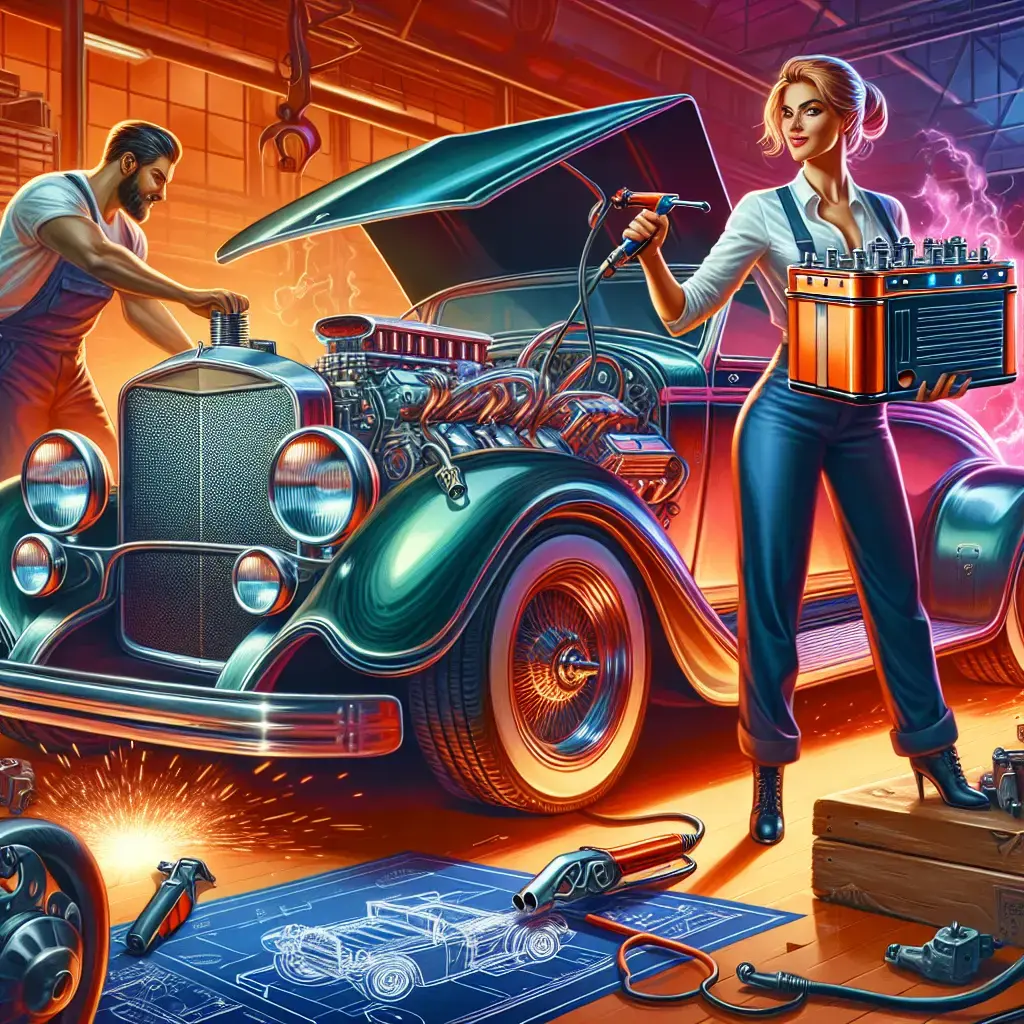
Exploring the Renaissance of Vintage Cars: Transforming Classics into Electric Gems
In the heart of Texas, a revolution is quietly taking place, breathing new life into the timeless elegance of vintage cars by merging them with the technology of today.
For car enthusiasts, the allure of vintage automobiles is undeniable. These classic vehicles boast a sense of history, craftsmanship, and character that modern cars often lack. However, as we march forward into an era dominated by environmental consciousness and sustainability, the practicality of driving these older models daily has come into question. Enter Moment Motors, a pioneer in the field of vintage car restoration with a modern twist: electric conversion.
The Charm of Vintage Meets Modern Innovation
Vintage car restoration has always been about preserving the past. The sights and sounds of classic cars evoke a nostalgia that is both profound and personal. But what if you could keep the charisma of those bygone eras while adopting eco-friendly technology?
- Electric Conversion: Moment Motors specializes in converting classic cars into fully electric vehicles. By replacing the traditional internal combustion engine with a state-of-the-art electric powertrain, these timeless beauties gain a new lease on life.
- Sustainability: This approach not only preserves the aesthetics and charm of vintage cars but also aligns them with modern environmental standards.
Why Go Electric?
The benefits of converting classic cars to electric are manifold:
- Environmental Impact: Reducing emissions by transitioning to electric power helps combat climate change.
- Performance Enhancements: Electric motors often provide greater torque and smoother acceleration compared to traditional engines.
- Lower Maintenance Costs: Electric vehicles typically require less maintenance than their gasoline counterparts due to fewer moving parts.
- Increased Reliability: With updated technology, these vintage vehicles become more reliable for daily use.
The Process
Converting a vintage car to electric is no small feat. It involves:
- Assessment and Planning: Each vehicle is evaluated to determine the best approach for conversion while respecting its original design.
- Engineering and Fabrication: Custom components are often required to seamlessly integrate new systems without compromising the vehicle's integrity.
- Testing and Quality Control: Ensuring that the vehicle meets safety standards and performs reliably is paramount before it hits the road again.
The Future of Classic Cars
The marriage of vintage design with modern technology offers a unique opportunity for classic cars to remain relevant and accessible in today's world. As more companies like Moment Motors innovate in this space, we can expect to see a growing number of these stunning vehicles not only preserved but actively celebrated as part of our sustainable future.
By blending the best of both worlds—historical charm and future-forward engineering—vintage car restoration becomes more than just a hobby. It transforms into a movement towards preserving our automotive heritage while driving responsibly into tomorrow.
For more details on this fascinating trend, you can read the full article here.
Thank you for joining us on this journey through the evolution of classic cars. Here's to preserving the past while embracing the future, one restored vehicle at a time.
Happy motoring!
Author: Lydia Chambers